January 5, 2026 – In a move that has intensified debates over humanitarian access in conflict zones, Israel has begun enforcing the revocation of operating licenses for 37 international aid organizations in Gaza and the occupied West Bank. The decision, effective from January 1, 2026, requires these groups to cease activities by March 1, citing non-compliance with new registration requirements introduced earlier in 2025.
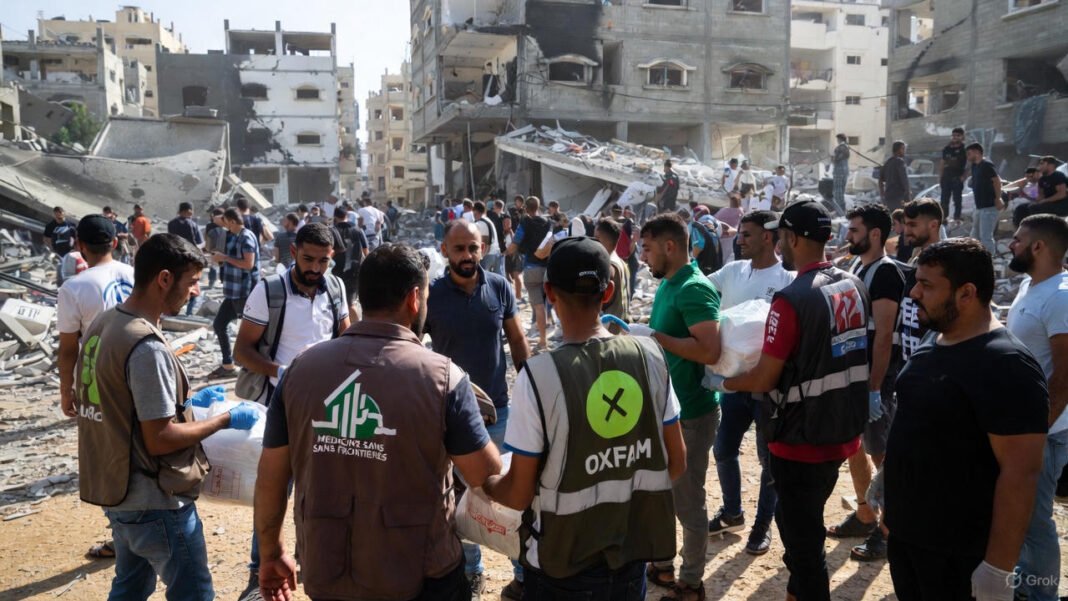
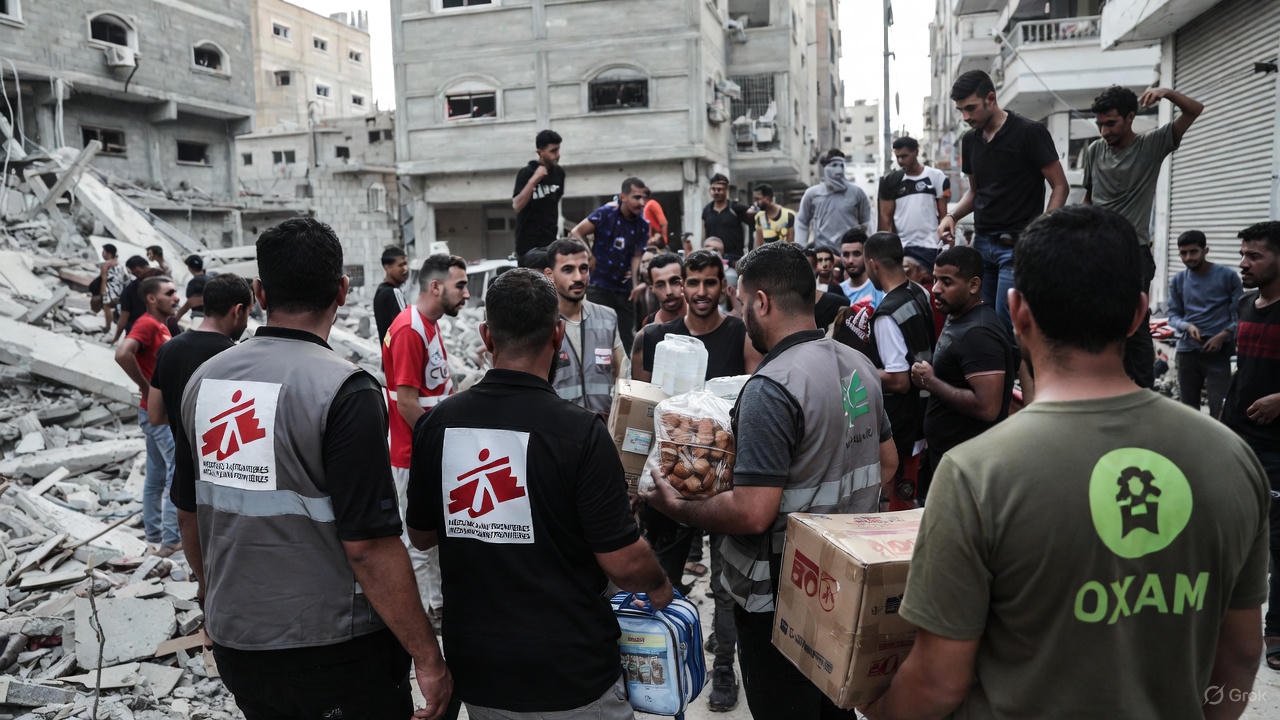
The affected organizations include prominent names such as Médecins Sans Frontières (Doctors Without Borders, or MSF), Oxfam, the Norwegian Refugee Council, CARE International, the International Rescue Committee, ActionAid, World Vision International, and Caritas. These groups have been instrumental in delivering essential services like medical care, food distribution, shelter support, water sanitation, and psychological aid to Palestinians amid ongoing challenges in the region.
Background on the New Regulations
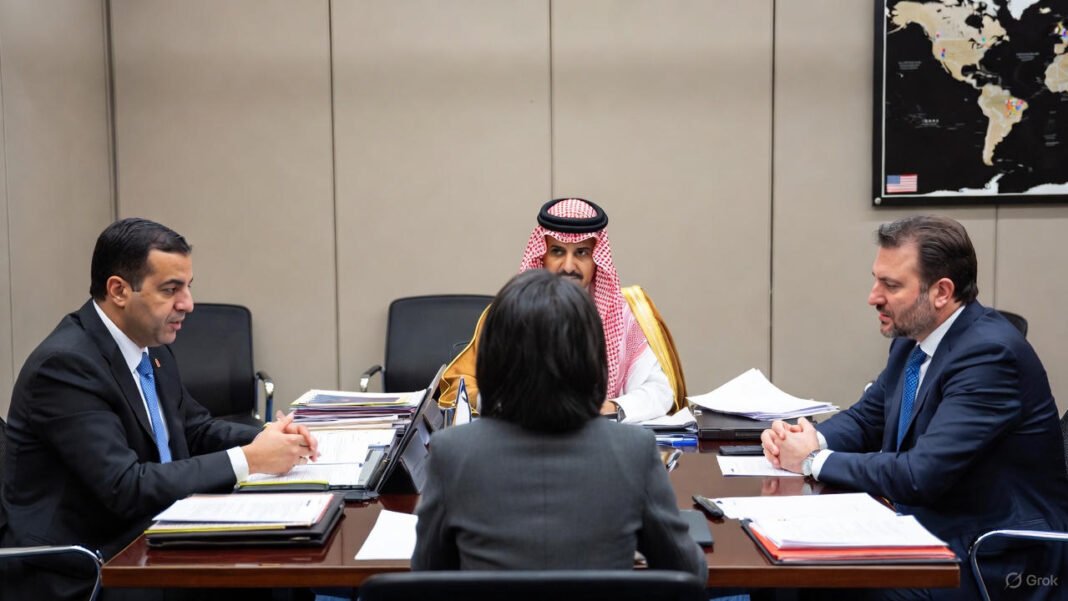
The Israeli government, through its Diaspora Affairs Ministry, implemented the updated registration framework in March 2025. The rules mandate that international NGOs provide detailed information on their staff – including Palestinian employees’ personal details such as identification numbers – funding sources, and operational structures. Officials argue these measures are necessary to enhance “security and transparency” and prevent potential infiltration by terrorist operatives into humanitarian efforts.
Israeli authorities have emphasized that the policy aims to safeguard aid delivery while blocking any exploitation by groups like Hamas. For instance, claims have been made regarding specific cases, such as alleged links between some MSF staff and militant organizations, though evidence has not been publicly detailed. The Defense Ministry’s Coordination of Government Activities in the Territories (COGAT) has stated that the banned groups contributed less than 1% of total aid volume and have not delivered supplies since the current ceasefire began in October 2025.
Humanitarian Groups’ Response and Concerns
Aid organizations and their representatives have strongly contested the requirements, describing them as overly restrictive and potentially compromising staff safety. Many fear that sharing sensitive employee data could expose workers to risks, especially given the high number of aid worker fatalities reported during previous escalations – over 500 since the 2023 conflict intensified.
Representatives from groups like MSF and Oxfam have argued that the rules undermine core humanitarian principles of neutrality, independence, and impartiality. They note that while some organizations complied and renewed licenses, others refused on ethical grounds, prioritizing staff protection over registration. Umbrella bodies, such as the Association of International Development Agencies (AIDA), have highlighted ongoing dialogues with Israeli officials that failed to yield assurances on data usage.
International Reaction
The decision has drawn sharp criticism from global bodies and governments. UN Human Rights Chief Volker Türk labeled the suspensions “outrageous” and “arbitrary,” warning they exacerbate an already dire situation in Gaza. UNRWA Commissioner-General Philippe Lazzarini called it a “dangerous precedent” that erodes global humanitarian standards.
A joint statement from foreign ministers of 10 countries – including the UK, France, Canada, and several Nordic nations – urged Israel to allow NGOs sustained access, describing the humanitarian conditions in Gaza as “catastrophic.” The European Union echoed concerns that the move could block “life-saving” assistance.
Even within Israel, some left-wing NGOs have denounced the policy, arguing it institutionalizes barriers to aid through bureaucracy.
Implications for Gaza’s Population
Gaza’s over two million residents continue to face severe hardships, with widespread destruction of infrastructure from prior conflicts and persistent needs for basic supplies. While Israeli officials insist aid flows will remain unaffected through vetted channels like UN agencies and compliant organizations, critics warn of gaps in specialized services. Many banned groups partner with the UN for on-ground implementation, potentially straining overall relief efforts.
This development follows Israel’s earlier restrictions on UNRWA, the primary UN agency for Palestinian refugees, which faced separate bans and funding challenges over alleged ties to militants – claims the agency has disputed.
As the March deadline approaches, stakeholders on all sides are watching closely. The situation underscores the delicate balance between security concerns and uninterrupted humanitarian access in protracted conflicts, with potential long-term effects on civilian welfare in the region.