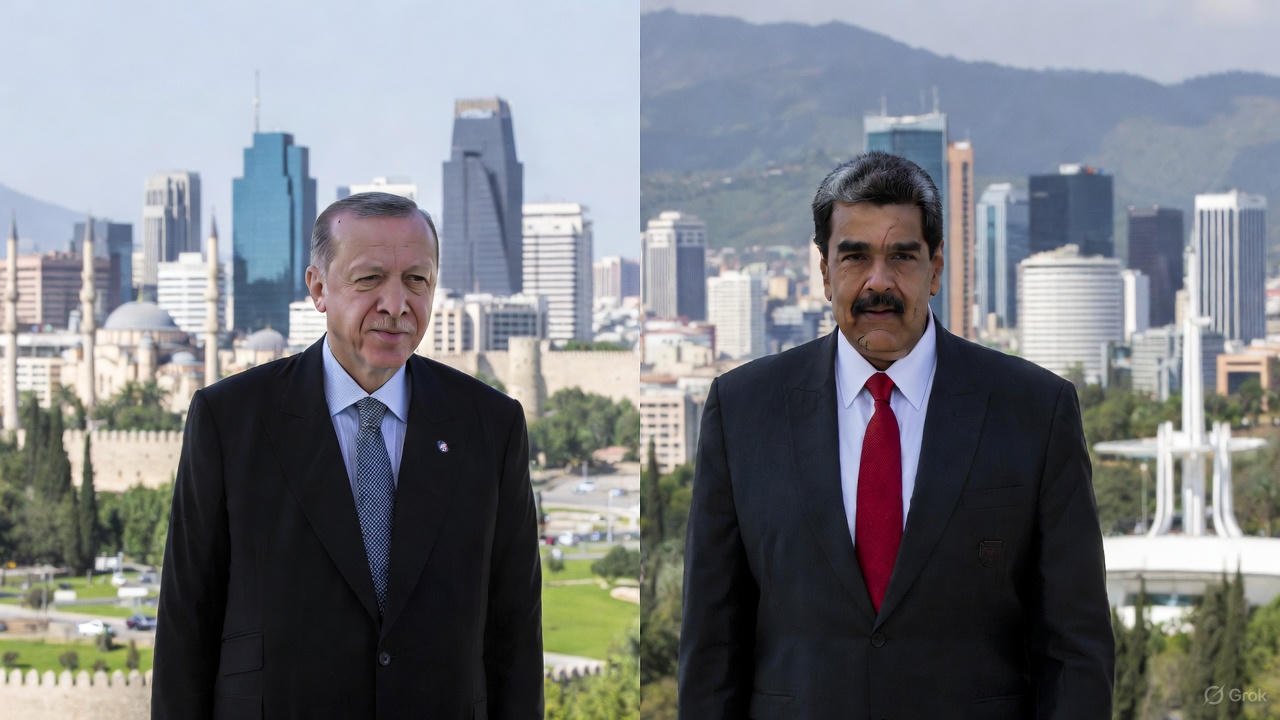
Turkish President Recep Tayyip Erdogan has described Nicolas Maduro and the Venezuelan people as longstanding friends of Turkey, even as fresh details emerge about a behind-the-scenes U.S. proposal that would have seen the former Venezuelan leader seek refuge in Ankara.
In recent statements following the dramatic U.S.-led operation that removed Maduro from power on January 3, Erdogan emphasized Turkey’s commitment to supporting Venezuela’s stability. He highlighted the deep ties between the two nations, noting that Maduro had been among the first world leaders to express solidarity with Turkey after the 2016 attempted coup. “Maduro and the Venezuelan people have repeatedly demonstrated their friendship toward our nation,” Erdogan said, adding that Ankara would continue to advocate for measures benefiting Venezuela.
These remarks come against the backdrop of confirmed reports that the U.S. administration under President Donald Trump extended Maduro an opportunity for a negotiated exit late last year. Sources familiar with the discussions indicate that the offer included safe passage to Turkey in exchange for stepping down peacefully and potential concessions related to Venezuela’s vast oil resources. U.S. Senator Lindsey Graham publicly referenced this possibility shortly after Maduro’s capture, stating that the ousted leader “could have been in Turkey” had he accepted the terms.
Maduro reportedly turned down the proposal, leading to the escalation that culminated in a precise military raid. U.S. forces apprehended Maduro and his wife in Caracas, transferring them to face charges in New York related to drug trafficking and other allegations.
The close relationship between Erdogan and Maduro dates back years, marked by mutual support during political crises, expanding trade—particularly in gold and energy sectors—and frequent high-level visits. Turkey has often positioned itself as a diplomatic bridge in international conflicts, and analysts suggest that Ankara’s ties with both Washington and Caracas made it a logical choice for any exile arrangement.
However, Erdogan’s response to the events has been measured. While expressing concern over actions that could destabilize Venezuela and opposing violations of international law, he has avoided direct confrontation with the U.S., reflecting Turkey’s balancing act in global affairs. Domestic critics in Turkey have questioned the government’s initial restraint, but Erdogan has stressed dialogue as the path forward.
As Venezuela navigates a turbulent transition, with the U.S. asserting a temporary overseeing role focused on economic recovery, the episode underscores the complex interplay of personal alliances, geopolitical strategy, and resource interests in modern diplomacy.
This development highlights how longstanding bilateral friendships can influence high-stakes international negotiations, even when outcomes veer toward confrontation rather than resolution. Turkey’s ongoing engagement with Venezuela signals that Ankara intends to remain a key player in the country’s future, prioritizing stability and continued partnership.