Tehran’s Biggest Counter-Espionage Operation in Years Sparks Regional Alarm and Skepticism
January 21, 2026 – Iranian state media and the Ministry of Intelligence announced today what they describe as one of the largest counter-espionage operations in the Islamic Republic’s history: the arrest of more than 300 individuals allegedly working as agents or collaborators for Israel’s Mossad intelligence service.
According to an official statement released by the Intelligence Ministry and broadcast on state television, the suspects were detained across 28 provinces during a coordinated, months-long operation codenamed “Iron Wall.” Authorities claim the group was involved in:
- Gathering intelligence on military bases, nuclear facilities, and senior IRGC commanders
- Planning sabotage operations against energy infrastructure and missile production sites
- Recruiting new operatives through social media and encrypted messaging apps
- Facilitating financial transfers and cryptocurrency payments from foreign accounts
- Preparing assassination plots against high-profile Iranian figures
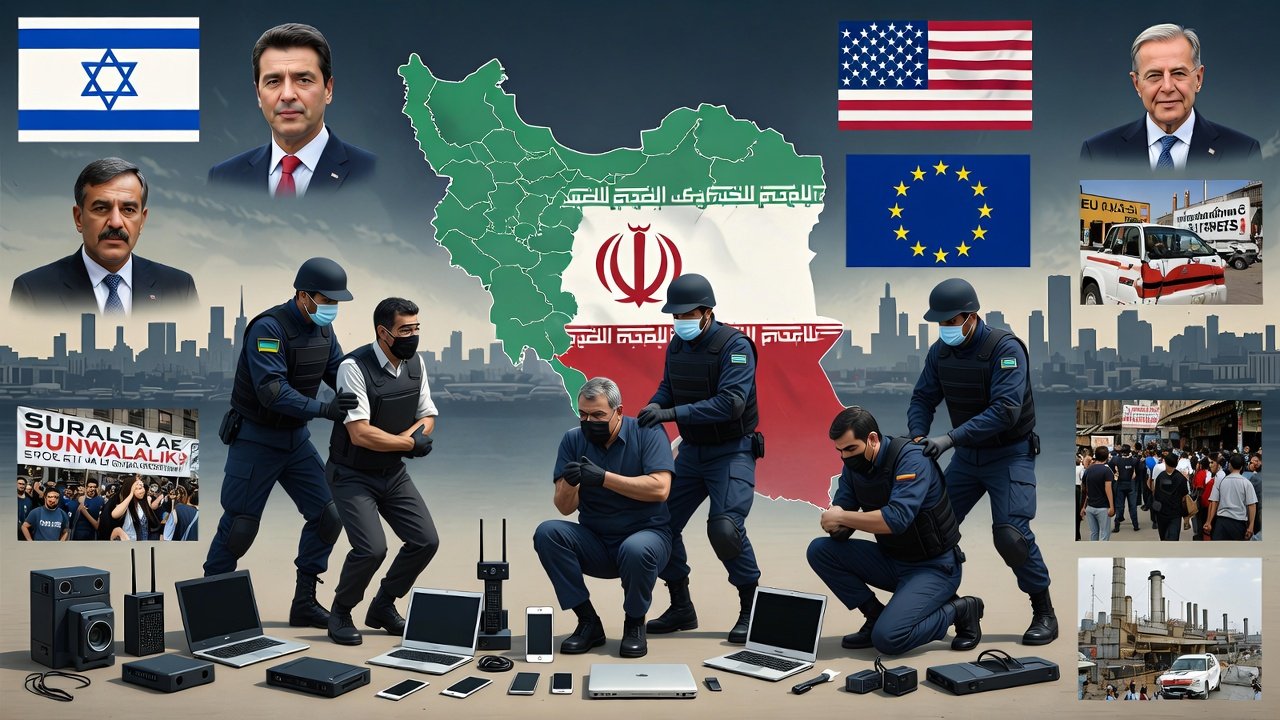
The statement named several alleged ringleaders as dual nationals or Iranian citizens with ties to Israel, Europe, and the United States. It further asserted that seized equipment included advanced surveillance devices, encrypted communication tools, drones, and large quantities of foreign currency and gold.
Supreme Leader Ayatollah Ali Khamenei reportedly received a classified briefing on the operation late last night and praised the intelligence services for “thwarting the most dangerous Zionist infiltration network in recent decades.” President Masoud Pezeshkian, speaking during a televised address, called the arrests “a decisive blow to those who seek to destabilize Iran from within while our people face economic hardship and external pressure.”
Scale and Timing Raise Questions
The reported figure of 300 arrests—if accurate—would make this the single largest Mossad-related roundup claimed by Iran since the early 2010s. Previous high-profile cases usually involved 10–30 individuals at most. The sheer number has led analysts and regional observers to question whether the figure includes low-level informants, unwitting contacts, or people accused under Iran’s broad national-security laws.
The announcement comes amid:
- Intensified nationwide protests over economic collapse, water shortages, and internet blackouts
- Renewed U.S. threats of military action if Iran escalates proxy attacks
- Ongoing Israeli covert operations reportedly targeting Iranian nuclear and missile programs
- Israel’s repeated public statements that it will not allow Tehran to acquire nuclear weapons
Iranian authorities have not yet released names, photographs, or detailed evidence of the alleged espionage activities. State television aired brief, heavily edited video clips showing masked detainees, confiscated laptops, and bundles of cash, but no independent verification has been possible.
International Reactions
- Israel — The Prime Minister’s Office declined to comment officially. Unofficial Israeli sources told several international outlets that “Iran routinely fabricates large spy networks to justify internal repression and deflect attention from domestic failures.”
- United States — The State Department called the announcement “highly suspect” and urged Iran to allow international observers access to the detainees.
- European Union — EU foreign policy chief Josep Borrell expressed concern over the potential misuse of espionage charges against political dissidents and dual nationals.
- China & Russia — Both governments issued brief statements supporting Iran’s right to protect national security without directly endorsing the scale or details of the claims.
Human rights organizations, including Amnesty International and Human Rights Watch, warned that many of those arrested could face unfair trials, torture, or execution under Iran’s anti-espionage statutes, which carry the death penalty.
Domestic & Regional Implications
Inside Iran, state-aligned media has framed the operation as proof of foreign plots behind the current wave of protests, aiming to portray demonstrators as unwitting tools of foreign intelligence services. Opposition activists abroad countered that the mass arrests are likely intended to intimidate the population and justify further internet restrictions and security crackdowns.
Regionally, the claim—if even partially substantiated—would represent a major intelligence setback for Israel. If largely exaggerated or fabricated, it could instead serve as domestic propaganda at a moment when the regime faces its most serious legitimacy crisis in years.
As of this evening, no additional evidence or follow-up press conference has been scheduled. The coming days will likely see competing narratives emerge as exiled Iranian opposition groups, Western intelligence agencies, and independent journalists attempt to verify or debunk the scale of what Tehran is calling “the collapse of the Zionist spy pyramid in Iran.”
For now, the announcement has once again thrust Iran’s internal security apparatus—and its long-running shadow war with Israel—back into the international spotlight.