 Gaza City Bombed
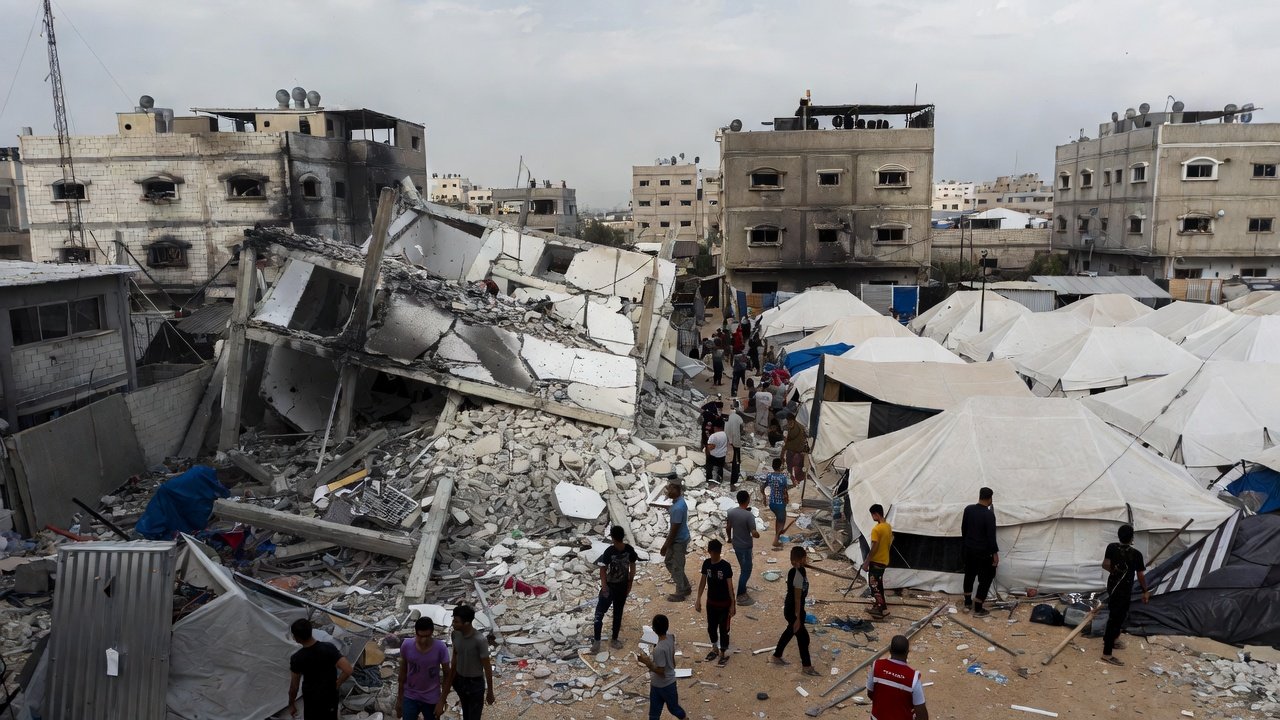
On Wednesday, February 4, 2026, a series of Israeli military operations across the Gaza Strip resulted in the deaths of at least 24 Palestinians, according to reports from Gaza’s health authorities. The casualties included several children—figures from various sources range from five to seven, with at least two infants among them—as well as women and a paramedic who was killed while attending to the wounded from an earlier incident.
The strikes targeted multiple areas, including the northern neighborhoods of Gaza City such as Tuffah and Zeitoun, where one attack reportedly claimed the lives of 11 members of the same family. Additional incidents occurred in southern regions like Khan Younis, where shelling and airstrikes hit residential structures and tents housing displaced people. Medical facilities, including al-Shifa Hospital, received many of the victims, highlighting the heavy toll on civilian populations.
Gaza’s Ministry of Health, which operates under Hamas administration, has described the majority of those killed as non-combatants, including young children and medical personnel. The ministry also noted that since the U.S.-brokered ceasefire took effect in October 2025, Israeli actions have led to over 550 Palestinian deaths, with hundreds more injured. The overall war-related death toll in Gaza since October 2023 exceeds 71,000, per ministry records widely referenced by international organizations.
In response to the strikes, the Israeli Defense Forces (IDF) stated that the operations were directed at Hamas and Islamic Jihad militants, including the elimination of three militant leaders and individuals deemed threats to Israeli troops. Officials added that some actions were retaliatory, following gunfire from militants that seriously injured an Israeli soldier near the ceasefire demarcation line. Israel has accused Hamas of repeated truce violations, while Palestinian officials and residents have questioned the durability of the agreement amid ongoing violence.
The ceasefire, mediated with significant U.S. involvement, has allowed limited humanitarian progress, such as the reopening of key border crossings like Rafah for aid and medical evacuations. However, intermittent clashes have tested its fragility, raising concerns among observers about the potential for renewed escalation.
This latest incident underscores the persistent challenges in maintaining peace in the region, where both sides continue to exchange blame for breaches. As the situation develops, international calls for restraint and full adherence to the truce agreement persist.
This article is an original synthesis based on publicly reported events and does not reproduce any copyrighted text verbatim. For the latest updates, refer to established international news outlets.