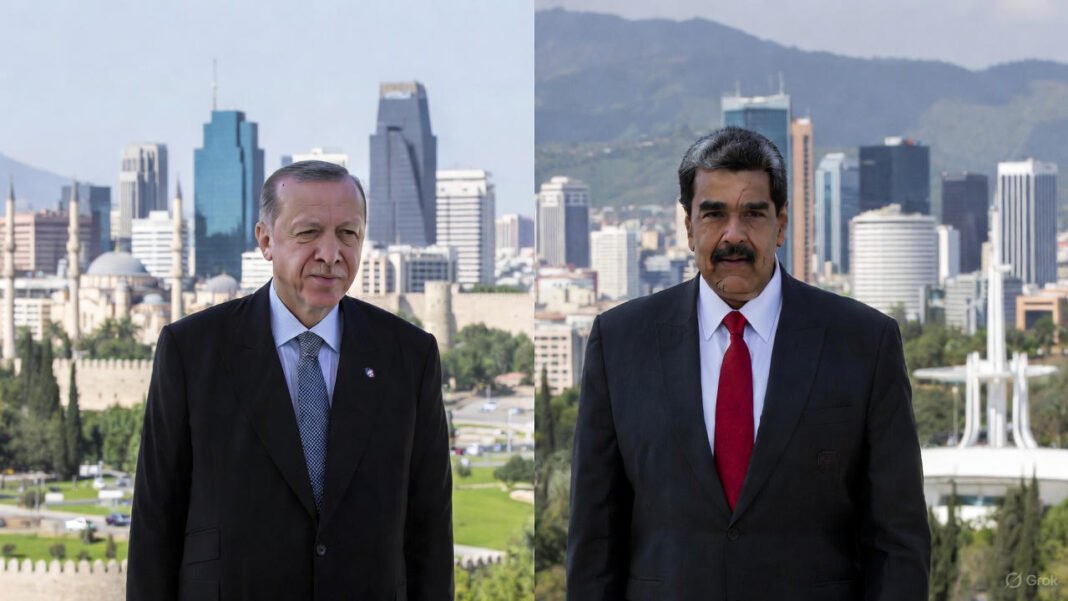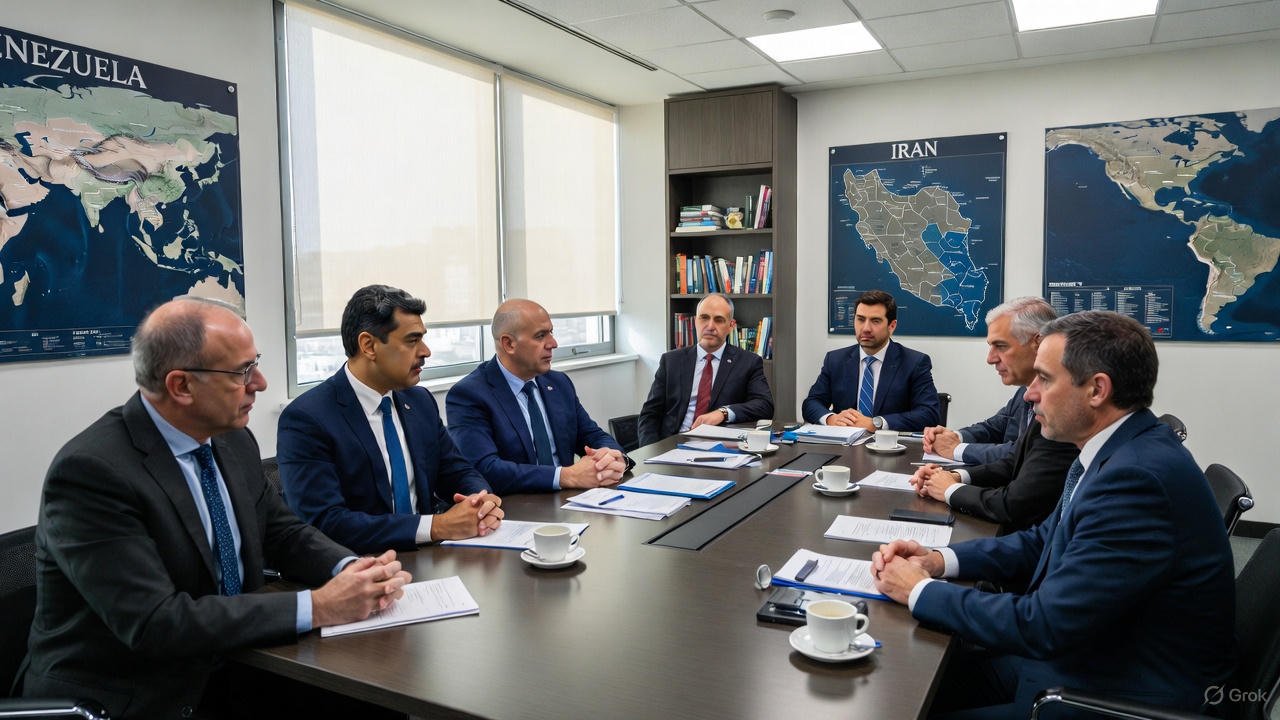
The dramatic U.S.-led operation that resulted in the capture of Venezuelan leader Nicolás Maduro on January 3 has sent shockwaves through global capitals, particularly Tehran. As Maduro faces charges in a New York courtroom, Israeli officials have openly drawn parallels, framing the event as a stark warning to Iran’s Supreme Leader Ayatollah Ali Khamenei amid ongoing domestic unrest in the Islamic Republic.
Israeli opposition leader Yair Lapid was quick to comment, posting on social media that “the regime in Iran should pay close attention to what is happening in Venezuela.” Similarly, Diaspora Affairs Minister Amichai Chikli described Maduro’s removal as a “devastating blow to the global axis of evil” and a “clear message” to Khamenei. These statements highlight Israel’s view of Venezuela’s close ties to Iran, including allegations of support for Hezbollah through narcotics networks and shared anti-Western ideology.
The Maduro operation—a precise raid that apprehended the Venezuelan strongman and his wife—has fueled speculation about shifting geopolitical norms. Analysts note that it demonstrates a willingness by the U.S. under President Donald Trump to target individual leaders accused of international crimes, bypassing traditional regime-change efforts. For Iran, already reeling from economic protests and the lingering effects of a brief but intense war with Israel last June, this precedent raises uncomfortable questions.
During that 12-day conflict, Israeli officials later revealed they actively sought opportunities to eliminate Khamenei, though he evaded targeting by retreating deep underground. Defense Minister Israel Katz stated at the time that operational constraints prevented a strike, but the intent was clear. Reports also surfaced that Israel proposed assassinating Khamenei early in the war, only for Trump to veto the plan.
Now, with Maduro’s fate as a vivid example, some experts suggest Tehran is reassessing its vulnerabilities. Iranian media outlets downplay comparisons, insisting “Iran is not Venezuela” due to its stronger military and regional alliances. Yet, sources indicate heightened concern in Tehran, with contingency plans reportedly in place for Khamenei to seek refuge abroad—potentially in Russia—if protests escalate.
Israel has long viewed Iran as its primary existential threat, citing its nuclear ambitions (largely dismantled in U.S. strikes last year), ballistic missile program, and proxy networks including Hezbollah and Hamas. The weakening of these proxies in recent conflicts, combined with Maduro’s fall severing a key ally in the Western Hemisphere, has bolstered perceptions in Jerusalem that Iran’s “axis of resistance” is fracturing.
However, a direct Israeli operation mirroring the Maduro capture remains highly improbable. Iran’s robust air defenses, Revolutionary Guard Corps loyalty, and capacity for asymmetric retaliation—against U.S. bases, shipping lanes, or Israeli cities—make any “snatch and grab” extraordinarily risky. Experts emphasize that while rhetorical warnings serve to deter Tehran, actual military action would likely require broader international coordination and could spiral into wider conflict.
The Maduro episode underscores a broader trend: authoritarian leaders once seen as untouchable are increasingly vulnerable to targeted enforcement actions. For Khamenei, facing internal economic discontent and external isolation, the message from both Washington and Jerusalem appears unambiguous—continued defiance carries personal risks.
As Iran navigates mounting protests over currency collapse and living standards, the world watches to see if this psychological pressure translates into policy shifts or further entrenchment. One thing is certain: the shadows cast by Caracas now loom large over Tehran, reshaping calculations in one of the Middle East’s most enduring rivalries.