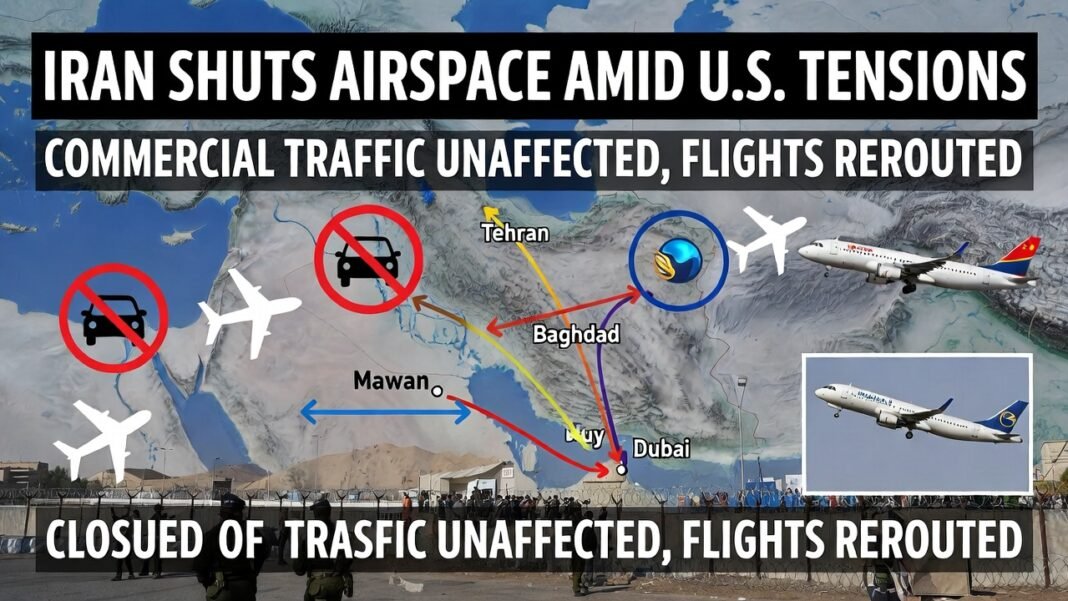
January 14, 2026 – Iran has issued stark warnings to regional neighbors hosting American military installations, declaring that U.S. bases in Saudi Arabia, the United Arab Emirates (UAE), and Turkey would become legitimate targets if Washington launches any military action against Tehran. The threats come as nationwide protests against the Iranian regime intensify, with reports of over 2,400 protester deaths according to rights groups, and U.S. President Donald Trump vows “very strong action” in response to the crackdown.
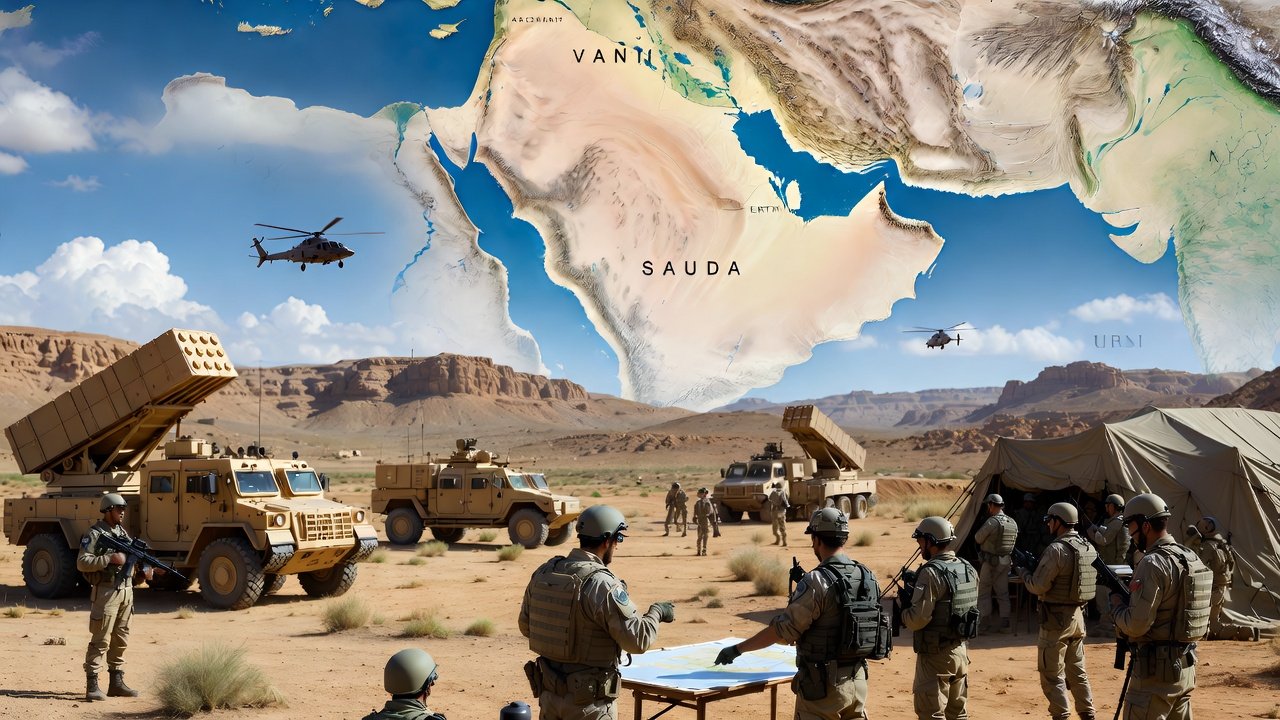
A senior Iranian official, speaking anonymously to Reuters, confirmed that Tehran has directly communicated the message to governments in Riyadh, Abu Dhabi, and Ankara. The warning urges these nations to pressure Washington against intervening in Iran’s internal unrest, framing any U.S. strike as a trigger for broader retaliation. “Tehran has told regional countries, from Saudi Arabia and UAE to Turkey, that U.S. bases in those countries will be attacked if the U.S. targets Iran,” the official stated, emphasizing efforts to prevent escalation through diplomacy.
This rhetoric aligns with statements from Iranian Parliament Speaker Mohammad Bagher Ghalibaf, who earlier warned that U.S. “miscalculations” could lead to strikes on American forces across the Middle East, including bases and ships. Iranian officials have highlighted an expanded missile stockpile, claiming readiness to respond decisively.
In a precautionary move, the United States has begun withdrawing some non-essential personnel from key regional bases, including the massive Al Udeid Air Base in Qatar—the largest U.S. military facility in the Middle East, housing around 10,000 troops. Diplomatic sources indicate that personnel were advised to depart by Wednesday evening, amid fears of Iranian retaliation similar to missile strikes on Al Udeid following U.S. actions against Iranian nuclear sites in June 2025.
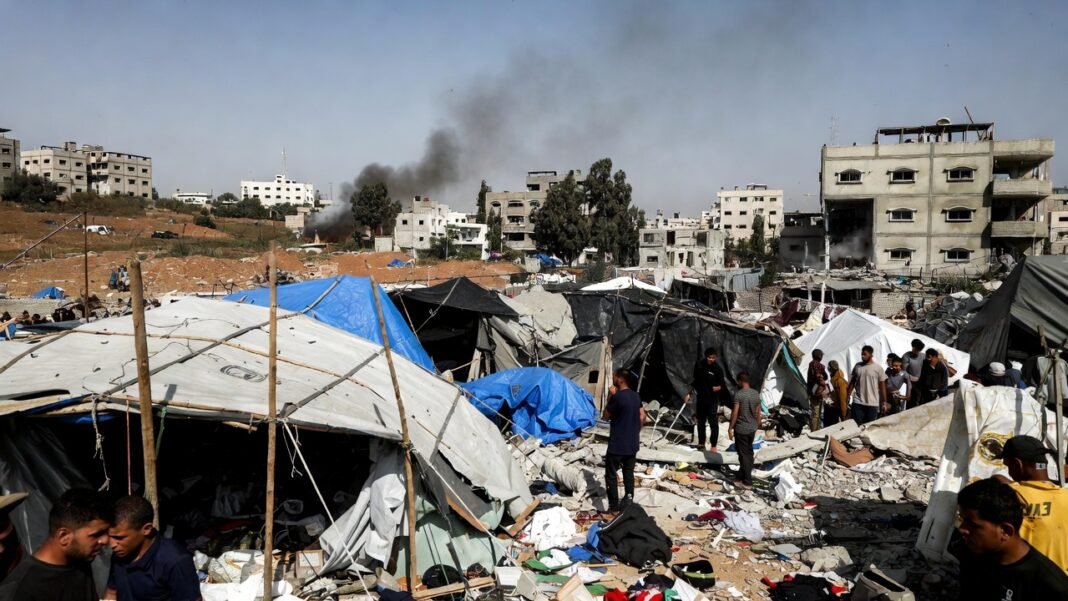
The backdrop is Iran’s ongoing domestic crisis, where widespread demonstrations over economic hardship, corruption, and political repression have met a severe security response. Trump has repeatedly signaled support for protesters, declaring on social media that “help is on its way” and canceling any direct talks with Iranian officials until the violence ends. U.S. advisers are reportedly briefing on potential options, ranging from targeted strikes on security apparatus to cyber operations, though no final decisions have been announced.
Regional reactions remain mixed. Iranian diplomats, including Foreign Minister Abbas Araqchi, have engaged counterparts in the UAE, Turkey, and Qatar to discuss de-escalation, while urging allies to block U.S. aggression. Saudi Arabia, the UAE, and Turkey—longstanding U.S. partners with hosting arrangements for American forces—have not publicly commented extensively, but the warnings place them in a delicate position between alliance commitments and avoiding entanglement in a wider conflict.
Analysts view the threats as a deterrence strategy amid regime vulnerability. Iran’s military capabilities, though diminished after the 2025 Israel-Iran clashes, still include significant ballistic missile arsenals capable of reaching Gulf targets. Proxy groups, including Iranian-backed militias in Iraq, have echoed similar warnings, raising risks of multi-front escalation.
As protests continue and U.S. posture hardens, the Middle East stands at a precarious juncture. Any misstep could transform internal Iranian turmoil into a regional crisis, with American bases across the Gulf and beyond in the crosshairs. International calls for restraint grow louder, but with Trump emphasizing decisive responses and Tehran vowing retaliation, the path to de-escalation appears narrow. The coming days, including potential high-level U.S. briefings, will be critical in determining whether diplomacy prevails or tensions boil over into open confrontation.