 Israel Strike Gaza
January 14, 2026 – More than three months after a U.S.-mediated ceasefire took effect on October 10, 2025, Israeli military operations in Gaza persist, resulting in ongoing civilian deaths and injuries despite the truce’s aim to halt major hostilities. The agreement, part of a phased U.S.-backed peace plan, includes a partial Israeli withdrawal to a designated “yellow line,” hostage and prisoner exchanges, and increased humanitarian aid—yet both sides accuse each other of violations, keeping the situation tense and volatile.
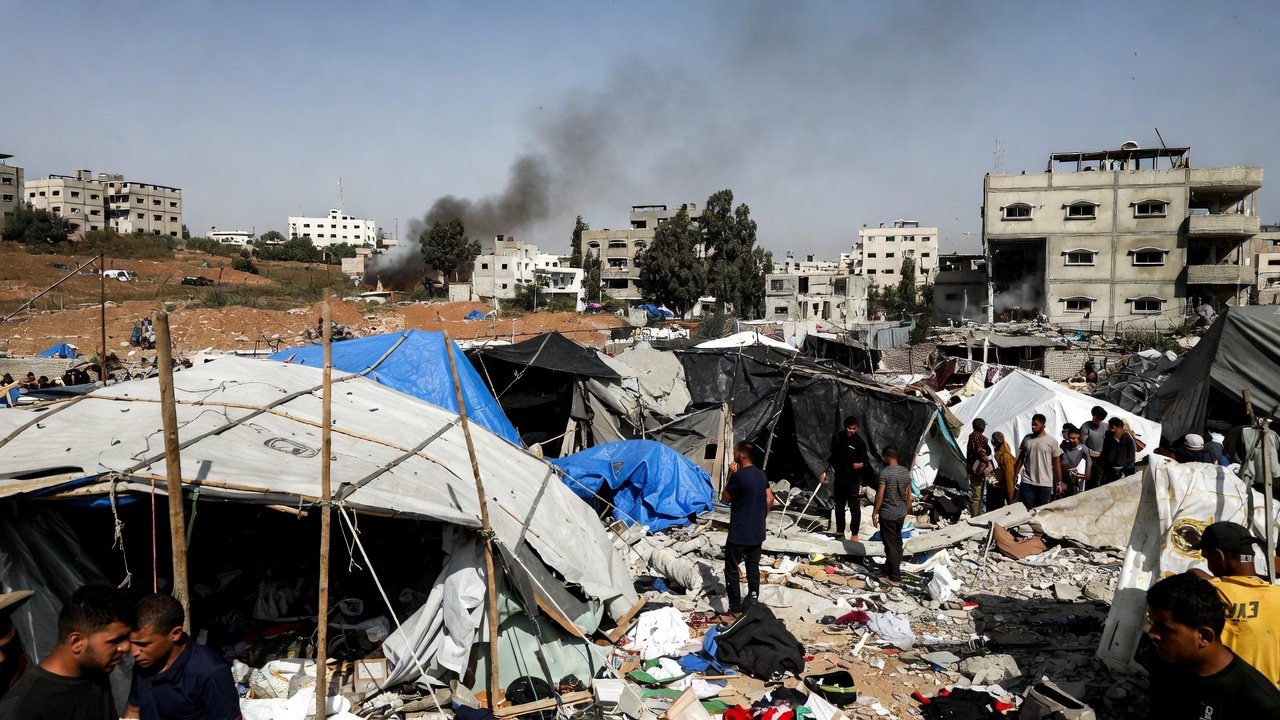
Local health authorities in Gaza report that at least 420–450 Palestinians have been killed since the ceasefire began, with hundreds more wounded. Recent incidents include strikes on tents sheltering displaced families, schools used as shelters, and neighborhoods near the demarcation line. In one documented case from early January, drone and artillery attacks killed several civilians, including children, in areas like Khan Younis and Jabalia. UNICEF has highlighted that over 100 children have lost their lives in these post-ceasefire incidents, with many more injured by shrapnel or gunfire amid restricted medical access.
The Israeli Defense Forces (IDF) maintain that such actions target militant infrastructure, rocket launch sites, or immediate threats, often in response to alleged breaches by Hamas or other groups. Officials describe operations as necessary for demilitarization, including the destruction of tunnels and booby-trapped structures, even in controlled zones. However, critics point out that many strikes occur beyond or near the agreed “yellow line,” where major combat was supposed to cease, raising questions about compliance with the truce terms.
Humanitarian conditions remain dire for Gaza’s over 2 million residents. Widespread destruction from prior fighting—estimated at 80–90% of structures damaged—has left most people in makeshift tents or ruined buildings. Winter storms, flooding, and limited aid entry exacerbate suffering, with reports of hypothermia-related deaths among children. Israel has imposed new registration requirements on aid organizations, effectively barring dozens of international groups, which UN agencies warn severely hampers relief efforts.
International observers, including the United Nations, describe the ceasefire as “fragile” and interrupted by intermittent violence. Progress toward the plan’s second phase—further withdrawals, Hamas disarmament, and an interim administration—remains stalled, with mutual accusations hindering talks.
As Gaza’s population endures daily risks from strikes and a humanitarian crisis, the path to a lasting peace appears uncertain. Calls for full adherence to the agreement and unrestricted aid continue amid fears that prolonged violations could unravel the truce entirely. The coming weeks, including potential announcements related to oversight mechanisms, may prove critical in determining whether the ceasefire can evolve into a more stable resolution.