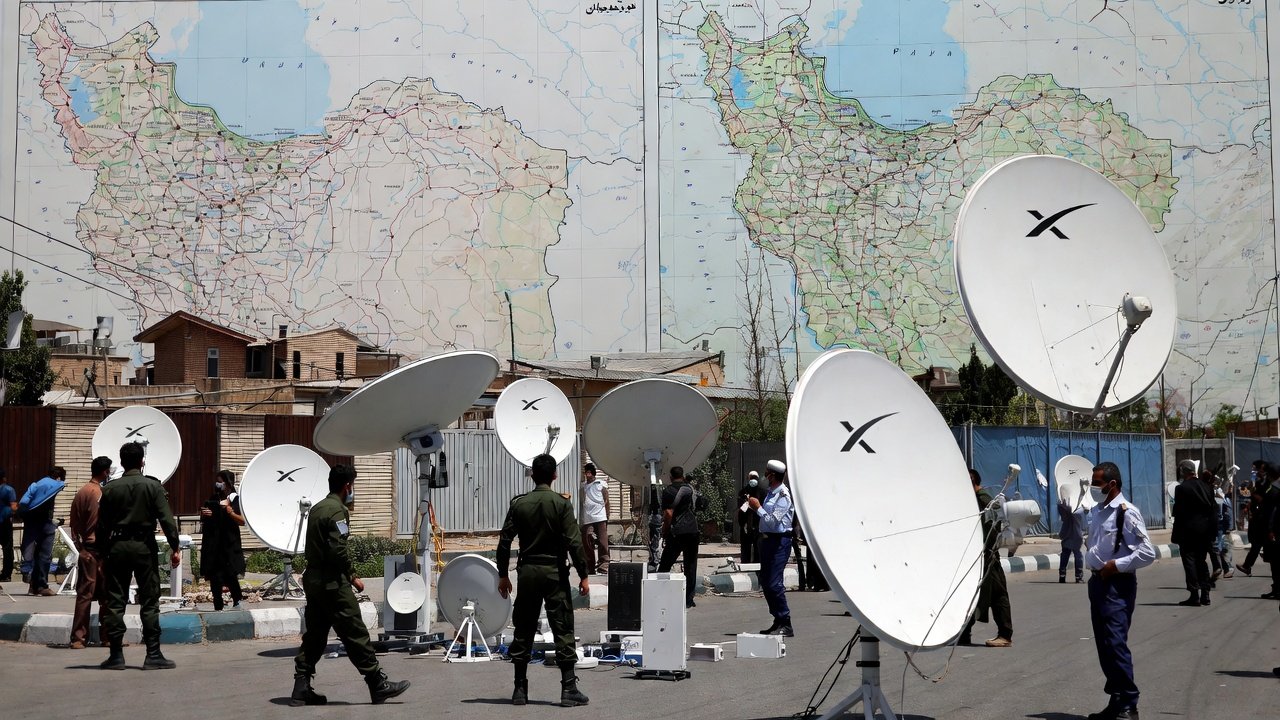
January 16, 2026 – As deadly anti-government protests continue to grip Iran, authorities in Tehran have intensified efforts to dismantle one of the few remaining lifelines for information flow: Elon Musk’s Starlink satellite internet service. Iranian intelligence has reportedly confiscated large shipments of Starlink terminals, labeling them tools for “espionage and sabotage,” while the regime deploys jamming technology and raids to hunt down users in a bid to enforce a near-total communications blackout.
The crackdown comes against the backdrop of widespread demonstrations triggered by economic collapse, political repression, and demands for regime change. With conventional internet and mobile networks severed since early January, Starlink—operated by Musk’s SpaceX—has emerged as a critical channel for protesters to share footage, coordinate actions, and alert the international community to the violence. Rights groups estimate thousands of deaths in the unrest, though exact figures remain difficult to verify due to restricted communications.
In a significant development, SpaceX has waived subscription fees for Starlink users in Iran, making the service free for those with smuggled terminals. Activists and nonprofit organizations supporting internet access in the country confirmed that inactive accounts regained connectivity without payment starting earlier this week, alongside software updates designed to counter government interference. This move follows reports of direct outreach from U.S. President Donald Trump to Musk, urging support for demonstrators facing severe repression.
Iranian officials have long viewed Starlink as a foreign threat. Possession of the satellite dishes is illegal, carrying penalties ranging from prison terms to accusations of espionage—potentially punishable by severe sentences under expanded laws passed after regional conflicts. Authorities claim the devices are being used for external coordination, with recent seizures described as disrupting operations linked to “hostile entities.” In Tehran and other cities, security forces are conducting searches, using drones and electronic warfare tools—reportedly including jammers supplied by foreign partners—to degrade or block signals, leading to significant packet loss and intermittent service for users.
Despite these obstacles, an estimated 50,000 or more terminals remain active across Iran, hidden on rooftops or in concealed locations. Protesters risk arrest, imprisonment, or worse by relying on the technology, yet many describe it as essential for documenting events and maintaining hope amid the blackout. Human rights advocates warn that the regime’s aggressive pursuit of Starlink users is part of a broader strategy to isolate the population and suppress evidence of the crackdown.
The episode highlights the growing role of private satellite networks in geopolitical flashpoints. Musk’s decision to provide free access has drawn praise from some quarters as a boost for free expression, while critics in Tehran accuse it of direct interference in sovereign affairs. As protests persist and international pressure mounts—including U.S. statements signaling potential stronger responses—the battle over connectivity in Iran continues to unfold from the streets to the skies.
Observers note that while Starlink offers a temporary bridge to the outside world, sustained jamming and seizures could limit its effectiveness. The situation remains fluid, with calls for global attention to the humanitarian crisis and the risks faced by ordinary Iranians seeking to exercise their right to information.