As the Israel-Hamas conflict enters a delicate post-ceasefire phase in late 2025, diplomatic efforts are intensifying to prevent a return to full-scale hostilities. Recent reports highlight coordinated appeals from Egypt, Qatar, and Türkiye directed at the United States, calling for stronger intervention to curb alleged Israeli violations in Gaza. These three nations, key mediators in brokering the October truce, have expressed growing frustration over ongoing incidents that threaten the agreement’s stability.
The ceasefire, which took effect on October 10, 2025, marked a significant breakthrough after prolonged negotiations facilitated primarily by the U.S., with substantial input from Egypt, Qatar, and Türkiye. It included provisions for Israeli troop withdrawals, the establishment of an interim governance structure in Gaza, and the deployment of an international stabilization force. However, both sides have traded accusations of breaches, with mediators warning that continued tensions could derail progress toward subsequent phases, including Hamas disarmament and long-term reconstruction.
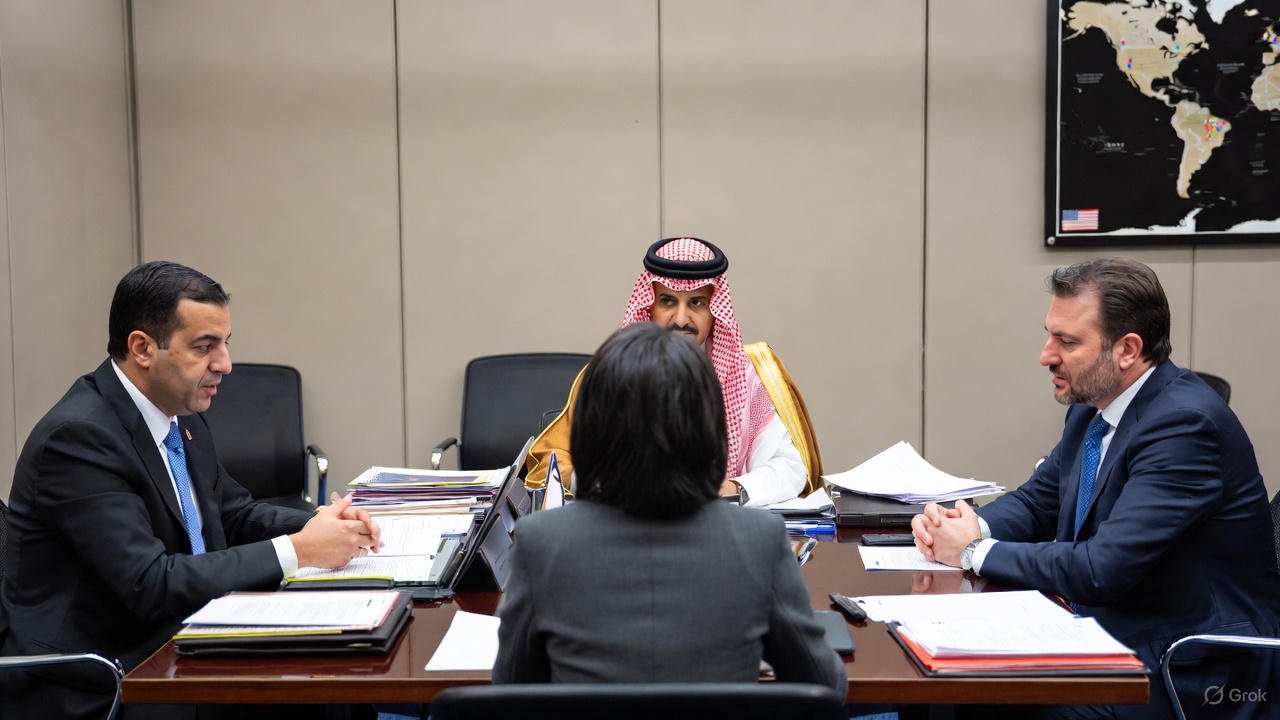
In mid-December meetings held in Miami, senior diplomats from Egypt, Qatar, and Türkiye met with U.S. special envoy Steve Witkoff to review the truce’s implementation. Sources familiar with the discussions indicate that the three countries specifically urged American officials to take measures preventing Israeli military actions in sensitive areas of Gaza. This push comes amid reports of sporadic strikes and restrictions on aid flow, which mediators argue undermine trust and complicate transitions to the next stages of the peace plan.
Egyptian Foreign Minister Badr Abdelatty, Qatari Prime Minister Sheikh Mohammed bin Abdulrahman Al Thani, and Turkish Foreign Minister Hakan Fidan were among those involved in presenting unified concerns. They reportedly proposed frameworks where Hamas would relinquish certain weaponry in exchange for guarantees of Israeli restraint and withdrawal. The appeals underscore a shared view that U.S. influence—given its close alliance with Israel—is essential for enforcing compliance and avoiding escalation.
The joint stance reflects broader regional dynamics. Egypt, sharing a border with Gaza via the Rafah crossing, has long prioritized stability to prevent spillover effects. Qatar has leveraged its channels with Hamas to facilitate hostage releases and humanitarian access, while Türkiye has advocated for Palestinian rights and contributed to diplomatic pressure. Together, these nations have positioned themselves as guarantors of the agreement, emphasizing the need for mutual restraint to enable reconstruction and governance reforms.
U.S. officials have echoed calls for both parties to honor commitments, with statements following the Miami talks stressing the importance of avoiding actions that could provoke renewed conflict. However, challenges persist: Israel maintains that full Hamas disarmament is non-negotiable for lasting security, while Hamas insists on simultaneous Israeli concessions, including complete troop pullouts.
As of late December 2025, the situation remains tense but contained. Mediators continue to warn that without firm enforcement—particularly through U.S. leverage—the fragile truce risks unraveling. The involvement of Egypt, Qatar, and Türkiye highlights a concerted regional effort to sustain peace, placing the onus on Washington to bridge persisting gaps between Israel and Hamas.
This evolving diplomacy illustrates the complex interplay of interests in the Middle East, where short-term stability hinges on addressing deep-rooted grievances while navigating superpower alliances. Observers note that sustained international coordination will be crucial for transforming the current ceasefire into a durable resolution.